


Madrid's Best Nativity Scenes: A Historic Walking Route to the Belenes

Madrid's Best Nativity Scenes: A Historic Walking Route to the Belenes
Few Christmas traditions have survived the centuries as stubbornly as the nativity scene, known in Spain as the belén. While half of Madrid queues for the Gran Vía lights, another part of the city is quietly walking through churches, palaces and municipal halls, looking for clay figurines, miniature shepherds and nativity sets that have been staged, in some form, for hundreds of years.
This route is built for travellers who have already seen the Christmas lights and want something different: a calm, walkable afternoon through the historic centre, stopping at Madrid's most elaborate nativity scenes and finishing, as Castilian tradition demands, in front of a steaming bowl of cocido.
Why Madrid takes its nativity scenes so seriously
Madrid's belén tradition has Neapolitan roots and dates back to the 18th century, when King Charles III brought the Spanish court's taste for nativity scenes from the royal house of Naples. Ever since, institutions, parish churches and the city council have competed every year to stage the most detailed nativity possible.
📌 Local Fact: a Neapolitan-style belén differs from a classic Castilian one in one very specific way — it blends the sacred scene with everyday street life, so a market stall, a tavern or a water-seller might appear right next to the manger, all at once.
That is why a Madrid belén is rarely just the manger scene itself. It is, almost always, an entire miniature village, with dozens of figures representing traditional trades and everyday life.
Over the 19th and 20th centuries, the custom spread from royal palaces to parish churches and, later, to private homes, becoming a tradition that cuts across every social class — just as present in a church in the centre as in the living room of any Madrid household. Today, the city council, the royal heritage body Patrimonio Nacional, and dozens of parishes all keep that friendly rivalry over detail alive, which is exactly what makes visiting several nativity scenes in one afternoon so interesting: each institution interprets the same scene in its own way.
The must-see nativity scenes in the historic centre
The City Hall nativity, at the Palacio de Cibeles
Madrid's official municipal belén is set up every year inside the Palacio de Cibeles, the city hall's headquarters, and it is usually the most visited nativity scene in the city thanks to its size and level of detail. Many of the figures are articulated and depict traditional 19th-century Madrid trades: the water carrier, the milkmaid, the baker.
It is designed with a broad audience in mind: free admission, a short walking route, and multilingual explanations along parts of the display.
The nativity at the Real Casa de Correos, in Puerta del Sol
A few steps from the famous New Year's Eve bell tower, the façade of the Real Casa de Correos — today the seat of the regional government of Madrid — hides a more classic-style belén, one that leans heavily on recreating the Spanish landscape: mountains, village and Castilian countryside surrounding the manger.
Thanks to its location, this is the easiest one to combine with any other visit to the centre: it sits literally at kilometre zero. Since the square is almost always busy, it is worth coming by early afternoon to see it comfortably, before Puerta del Sol fills up with shoppers heading towards Preciados or Gran Vía.
The nativity at Almudena Cathedral
Inside the Cathedral of Santa María la Real de la Almudena, right next to the Royal Palace, the nativity scene on display leans more devotional and less theatrical than the previous two. The figures tend to be finely carved, and the lighting is carefully designed to create a contemplative mood rather than a spectacle.
It is a natural stop for anyone already visiting the Cathedral or the Royal Palace for their architecture, since it adds barely ten minutes to the visit.
Because the Cathedral sits right beside the Royal Palace's main façade, this is the one stop on the route that genuinely costs nothing in extra walking time — a reason, on its own, to never skip it even on a tight schedule.
The Royal Palace nativity (Patrimonio Nacional)
When Patrimonio Nacional puts it on display, the Royal Palace's belén often includes historic pieces from the royal collections — porcelain figures and period costumes that cannot be seen anywhere else in the city. It is not always open to the public on the same dates or at the same hours as the rest of the Palace, so it is worth confirming at the ticket office or on the official website on the day itself before building the rest of the route around it.
A few lesser-known gems: parish churches
Several parish churches in the centre — including the Church of San Antón, in the Malasaña neighbourhood — set up smaller, more modest nativity scenes every year, with a loyal, often local following. These are the ones that best preserve a genuine neighbourhood atmosphere: no queues, no loudspeakers, and it is common to find just one person quietly praying on a nearby pew.
If the main itinerary leaves visitors wanting more, asking at the nearest parish church along the route often reveals a neighbourhood belén that appears in no guidebook at all.
💡 Local Tip: parish nativity scenes sometimes close during Mass. It is worth avoiding the 12:00 and 19:00 slots, the most common Mass times in the city centre.
Walking itinerary: the nativity route in one afternoon
This table sums up a realistic walking route, designed to be completed between mid-afternoon and dinner time, without rushing.
Stop | What to see | Approx. time | Distance to next stop |
Puerta del Sol | Nativity at the Real Casa de Correos | 10-15 min | 5 min walk |
Plaza Mayor | Christmas atmosphere and seasonal market | 15-20 min | 10 min walk |
Almudena Cathedral | Cathedral nativity scene | 15 min | 2 min walk |
Royal Palace | Patrimonio Nacional nativity (if on display) | 20-30 min | 20 min walk |
Palacio de Cibeles | City Hall nativity | 20 min | — |
The order can easily be reversed; the one thing worth checking beforehand is the Royal Palace's opening hours, since it tends to close earlier than the rest of the stops.
Dates and opening hours: what we know (and what is still to be confirmed)
Madrid's municipal and church nativity scenes are traditionally set up in late November or early December and stay open until the feast of Candlemas on 2 February, although most visitors see them between December and the Three Kings parade in early January. That late closing date, well after the Christmas tree comes down in many squares, is part of why a nativity route also works as a January plan for anyone who has already seen the lights and wants something different before the season ends.
At the time of publishing this article, not every exact date and opening time for the 2026-2027 season had been officially confirmed for each nativity scene. Before planning a visit, it is worth checking the updated dates on two official sources: esMadrid.com's Christmas calendar and the city council's district-by-district nativity scene guides, which are usually updated as the season approaches.
📌 Local Fact: visiting several nativity scenes in one afternoon has its own name in some Madrid families — "doing the belén route", a plan as deeply rooted as seeing the tree in Sol or strolling down Gran Vía on Christmas Eve.
The perfect finish: hot broths and Madrid-style cocido
After a full afternoon walking through the centre in December, the body asks for something hot, and Madrid has more than one answer: cocido madrileño, the city's signature stew, traditionally served in several courses, known locally as "vuelcos".
Look for cocido served in three courses: first the broth with noodles, then the chickpeas with vegetables, and finally the meats (shank, chorizo, pork belly, chicken). This is the classic way it is served in the city centre's most traditional taverns.
If time is tighter, order a caldo or cocido broth at any tavern or tapas bar in the historic centre — it is the fast version of the same dish and warms you up just as well after the walk.
Book ahead in December, especially on weekends: taverns serving traditional cocido fill up fast during peak season.
Pair the route with a mulled wine or hot chocolate and churros if a full cocido feels like too much before continuing the afternoon.
Anyone who wants to go deeper into this mix of heritage and Madrid gastronomy without organising every stop alone can lean on a guided experience that already combines a historic walk through the centre with a food stop, instead of having to choose between seeing the sights and eating well.
Practical tips for enjoying the route without a hitch
Wear comfortable shoes: the full route covers more than two kilometres on cobbled streets, often crowded with people.
Avoid the weekend right before Christmas Eve if you want to skip the heaviest crowds; weekday mornings or mid-afternoons are far quieter.
Check the Royal Palace and Cathedral hours before heading out: these are the two stops with the most restricted schedules on the whole itinerary.
Bring a camera, but respect the "no flash" signs in church nativity scenes, where it is usually banned to protect the figures.
Travelling with children? The City Hall belén and the one at Puerta del Sol are the most visually striking and hold their attention best, thanks to their size and level of detail.
Give the small details extra time: in Neapolitan-style scenes, much of the charm lies in the secondary figures — the street vendor, the fisherman, the sleeping shepherd — not just the central manger scene.
None of the stops on this route require a paid ticket or advance booking, except for the Royal Palace when the Patrimonio Nacional nativity is included within the general palace visit. That makes this afternoon one of the most accessible Christmas plans in central Madrid, with none of the long queues or crowds that come with the Christmas lights switch-on.
For anyone wanting to connect this route to the rest of the centre's history — the medieval Madrid that came before these very squares, or the Christmas lights that wrap around them every December — it is worth adding the walk from Mayrit to Habsburg Madrid or checking the Madrid Christmas Lights 2026 guide.
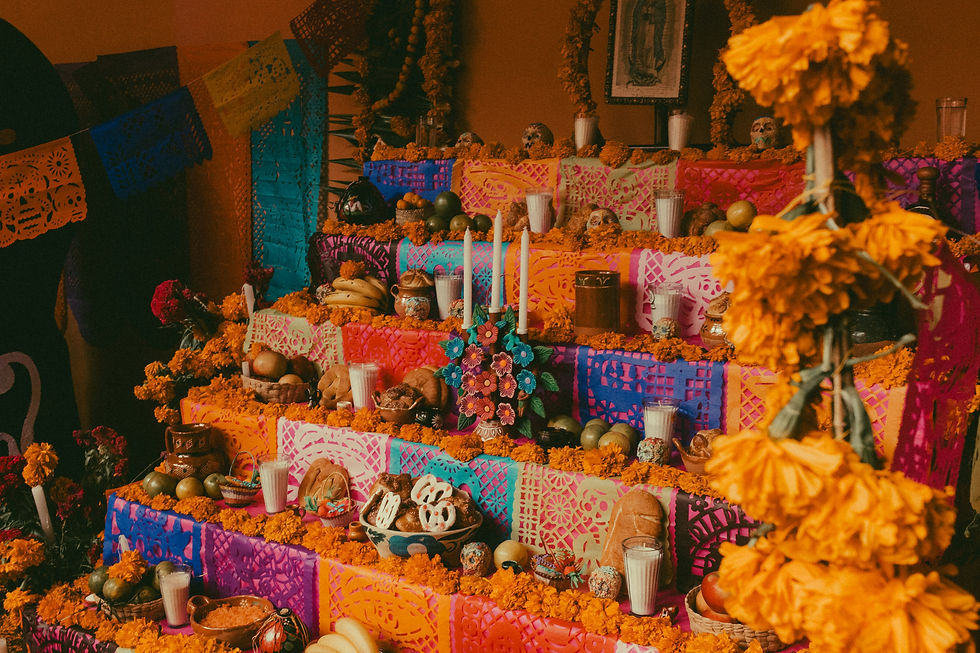
And if Madrid's Christmas season sparks curiosity about other cultural traditions in the city at this time of year, the Day of the Dead altar at Casa de México is a recent stop that shows how Madrid also welcomes traditions from elsewhere, even in winter.
The best way to understand why this route works so well in December is to walk it with someone who knows every corner of the historic centre — the squares, the church doorways, and also the taverns still serving cocido the way they did a century ago. A guided walk through the centre that ends with a tapas stop turns this nativity afternoon into a complete experience, with no need to improvise where to sit down and eat once the cold starts to bite.


Comments